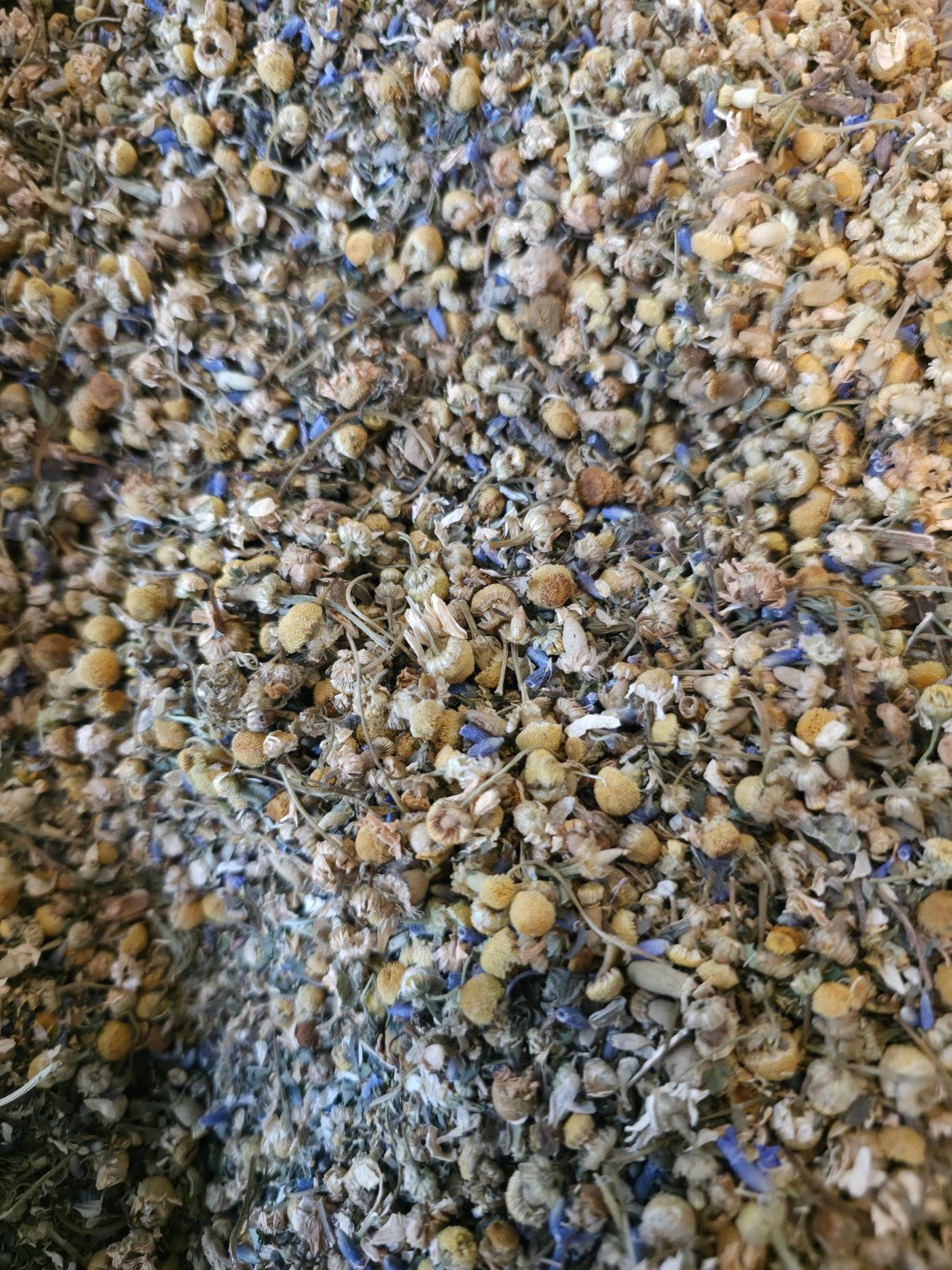

All About Tea - Or, How to Become a Total Tea-snob Without Losing Your Chill.
Welcome to Naugh-Tea Brews’ All About Tea, where we spill the leaves on everything from Orange Pekoe to rooibos. Whether you’re a curious sipper or a full-blown tea nerd, this is your one-stop brew-school for learning how teas are grown, graded, and gloriously enjoyed. From delicate white teas to bold black blends, discover what makes each leaf special — and why a little knowledge can make your next cuppa taste even better.
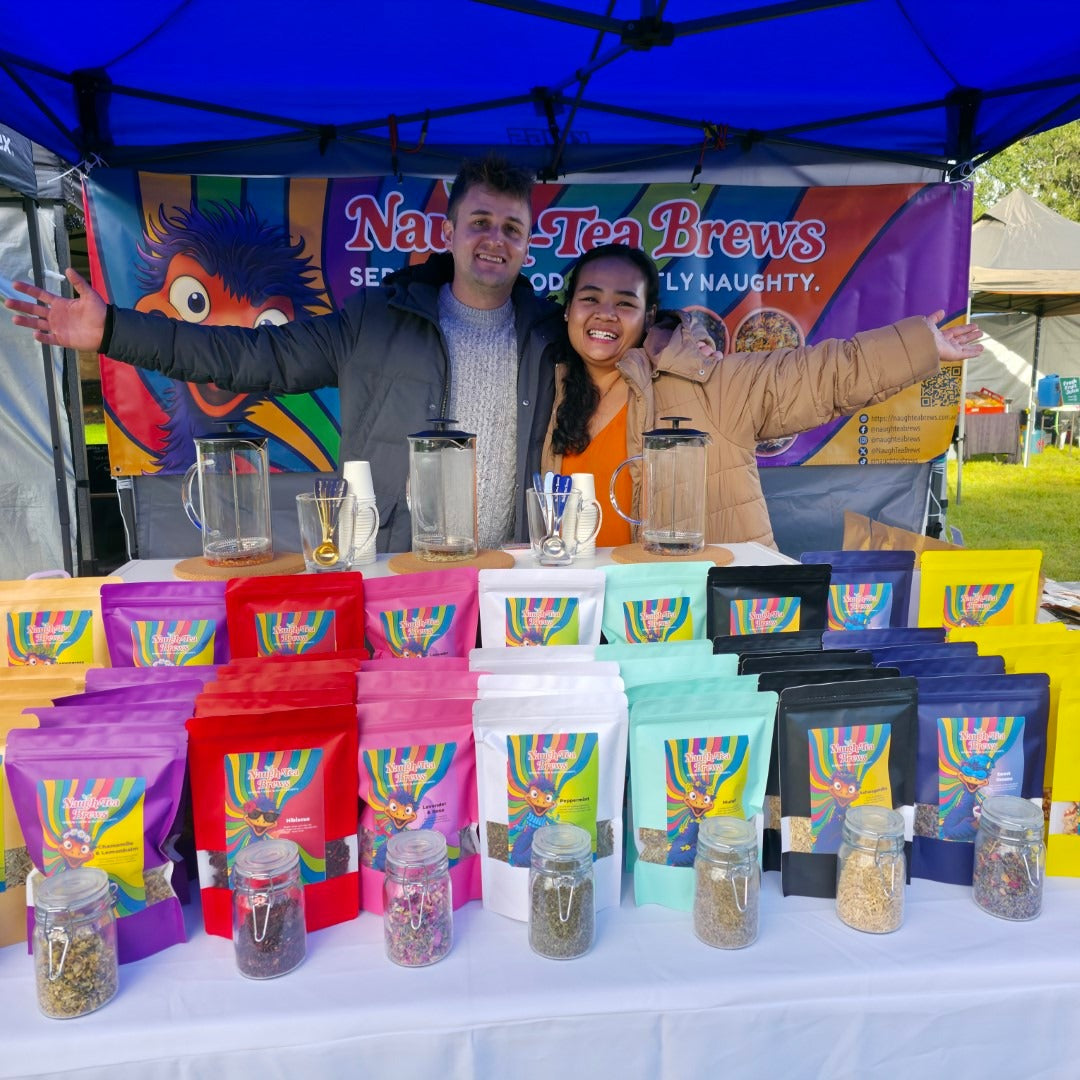
So What's the Tea on Tea?
Ever stared at a label that read “Finest Tippy Golden Flowery Orange Pekoe” and thought, what on earth does that mean? Don’t worry — you’re not alone. Most people think these fancy-sounding names are marketing fluff. But tea grades? They actually matter!
Those mysterious codes tell you whether you’re sipping a silky, high-end loose leaf filled with golden tips or a brisk everyday brew made from smaller, broken leaves. Each grade has its own character, history, and brew style — so let’s spill the tea, one leaf at a time.
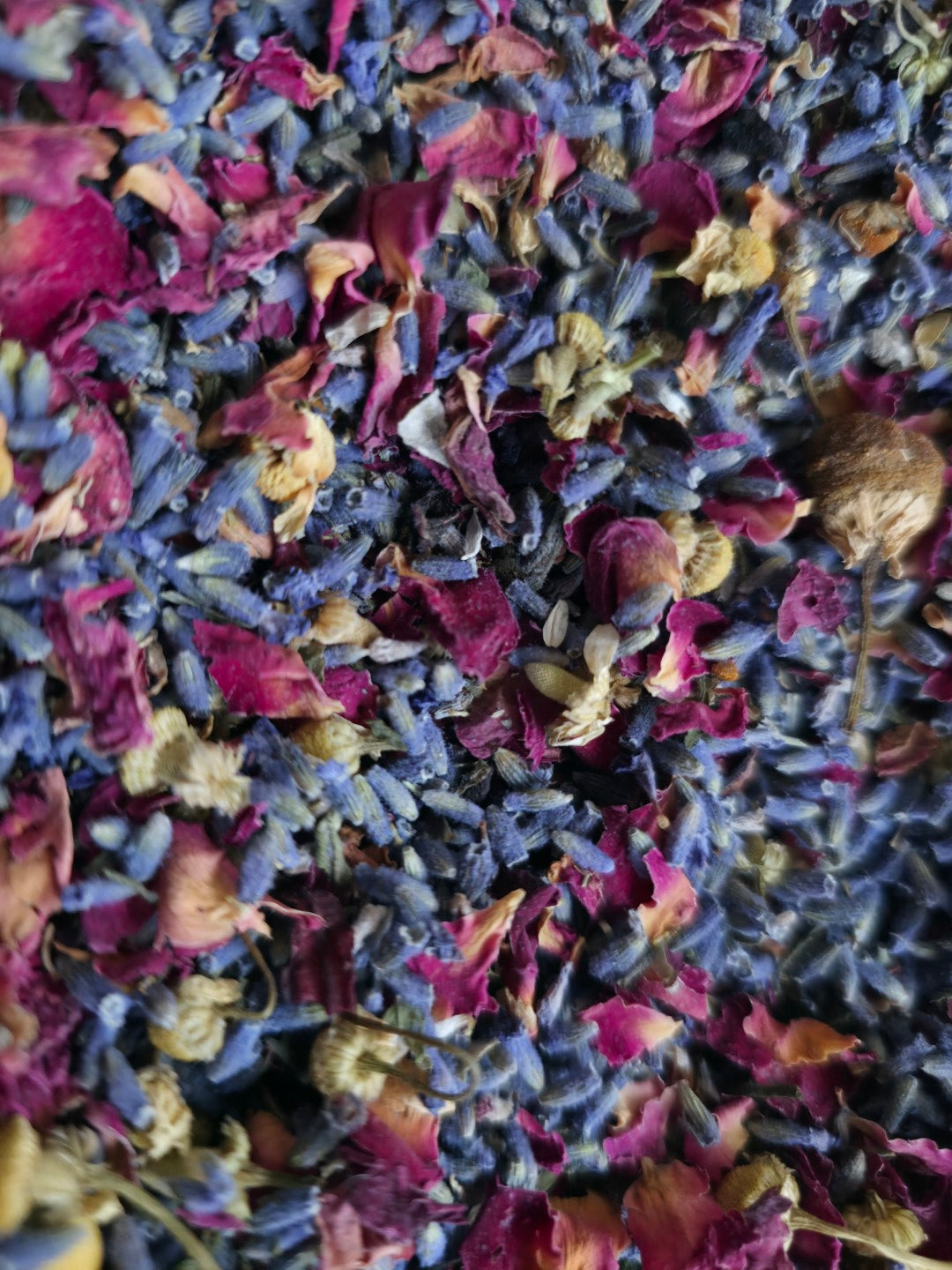
What Are Tea Grades?
Tea grading is the process of sorting tea leaves by size, shape, and how intact they are after processing.
- Large, whole leaves = smooth and nuanced.
- Broken leaves = bold and quick-brewing.
- Fannings and dust = fast, strong, and often used in teabags.
Grading helps growers, traders, and tea lovers speak a common language — ensuring that “premium whole leaf” means the same thing whether you’re in Perth, Darjeeling, or Colombo.
Orthodox vs. CTC — Two Ways to Roll
Orthodox Tea
Hand-rolled or carefully machine-rolled to preserve leaf shape. Think elegance and flavour complexity — your Darjeelings, Ceylons, and Assams live here.
CTC (Crush, Tear, Curl)
Mechanically processed into tiny granules for strength and speed. This is your go-to for a rich, milky brew or classic Aussie builder’s tea.
The Orange Pekoe Grading System
The Orange Pekoe (OP) system classifies black teas (mainly Indian and Sri Lankan) by leaf size, shape, and presence of golden tips — not flavour. Each grade reflects how intact the leaves are after rolling and sorting.
| Grade | Full Name | Leaf Style | Brew Strength | Taste Notes |
|---|---|---|---|---|
| OP | Orange Pekoe | Whole, wiry leaves | ☕ Medium | Bright, clean, classic |
| BOP | Broken Orange Pekoe | Smaller leaf pieces | ☕☕☕ Strong | Bold, brisk, quick-brewing |
| FBOP | Flowery Broken Orange Pekoe | Broken leaves with golden tips | ☕☕☕ Medium–Strong | Sweet, aromatic |
| TGFOP | Tippy Golden Flowery Orange Pekoe | Whole leaves with golden buds | ☕☕ Medium | Smooth, floral |
| FTGFOP | Finest Tippy Golden Flowery Orange Pekoe | Unbroken leaves with abundant golden tips | ☕ Medium–Light | Honeyed, refined |
Whole Leaf vs. Broken Leaf — Which Is Better?
Neither!
- Whole leaf: Elegant, layered, aromatic. Great for sipping straight.
- Broken leaf: Strong, fast, and bold — perfect for milk tea or a morning kick.
At Naugh-Tea Brews, we love both — because some days you want poetry, and other days you just want caffeine.
Decoding the Alphabet Soup (SFTGFOP, Anyone?)
Each letter means something:
S: Special
F: Finest
T: Tippy
G: Golden
F: Flowery
O: Orange
P: Pekoe
So “SFTGFOP” translates to Special Finest Tippy Golden Flowery Orange Pekoe — or in plain English, “bloomin' good tea.”
Other Grading Terms
Fannings (F) Small leaf particles used in strong, quick-brewing teas
Dust (D) Very fine particles for commercial teabags — strong and fast-brewing
Golden Tips Young unopened buds that add aroma, smoothness, and sweetness
Premium and Rare Tea Grades
These are the fancy ones that make tea collectors swoon:
- FTGFOP from Darjeeling – aromatic and complex.
- Golden-tipped Assam – rich and malty.
- Pearl Teas (Gunpowder or Jasmine Pearls) – hand-rolled and hypnotic to watch unfurl.
They cost more because they’re plucked by hand and handled with care.
Common Myths About Tea Grades
Myth - Higher grade = better taste
Not always! It’s about leaf appearance, not flavour.
Myth - Teabags are low quality
Not all — pyramid bags often use premium broken leaf.
Myth - “Pekoe” means flavour
Nope! It just refers to the leaf bud area.
Grades vs. Quality
Grades describe what the leaf looks like, while quality describes how it tastes and smells.
A high-grade tea can still taste dull if it’s old; a lower-grade broken tea can be glorious when fresh.
Your palate is the ultimate judge — if you love it, it’s quality.
Understanding tea grades helps you:
- Choose the right blend for your taste (bold vs delicate).
- Appreciate what’s in your cup — not just the label.
Stay Naugh-Tea, Stay Knowledgeable
Remember, every leaf tells a story. And now that you know your OP from your FBOP, you can impress your mates and enjoy your brew like a true tea connoisseur… without ever losing your cheek.